Cashback Apps: How I Get Hundreds Back Every Year

Reading time: 10 minutes
Last week I stood at the Coop checkout in Zürich-Oerlikon and was annoyed by the bill: CHF 127 for a normal weekly shop. Then my eye fell on my phone, where the cashback app showed me a CHF 3.80 refund. Sounds like little? Over a year, that comes to between CHF 380 and 520 that I get back without changing my daily life. Cashback apps have become a quiet savings helper for me, working in the background while I shop, fill up my car or order online.
Many people in Switzerland give this money away because they think cashback programs are complicated or shy away from the effort. Today I'll show you how I get back hundreds of francs a year with minimal effort, with concrete numbers, real experiences and the apps that really work in Switzerland.
Why cashback apps make sense in Switzerland
Switzerland is a high-price country. According to the Swiss Federal Statistical Office, consumer prices in 2025 were on average 53% above the EU average. Every franc I get back therefore has real purchasing power. Cashback apps work on a simple principle: retailers pay commissions for referred purchases, and I, as the customer, get part of it back.
The Swiss market differs from Germany or Austria. Many international cashback platforms don't work here or have a narrow partner network. That's why I focus on apps that work with Swiss retailers and offer payouts in francs. According to a survey by Comparis.ch, about 28% of Swiss households actively used cashback programs in 2025, and the trend is rising.
The three cashback apps I use every day
I've tested over a dozen apps and deleted most of them again. Three survived because they work reliably and bring back real money.
Profital: the quiet all-rounder for the supermarket
Profital is my daily companion for grocery shopping. The app cooperates with all the big Swiss retailers: Migros, Coop, Lidl, Aldi and Denner. After shopping I simply scan the receipt through the app, and within 24 hours the cashback is credited. Refunds range from 5% to 40% on selected products.
A concrete example from last month: I bought a pack of Lindt chocolate for CHF 4.95 at Coop at Stauffacher in Zürich. Profital offered 30% cashback, so CHF 1.48 back. Over the year I get back between CHF 180 and 240 through Profital without specifically searching for deals. I simply buy what I need anyway and quickly check the app beforehand.
Swissbonus: collecting points when filling up and shopping
Swissbonus works with a points system. I collect points at over 450 partners in Switzerland, including gas stations like Avia and Shell, but also restaurants and online shops. 100 points equal one franc. That sounds like little, but it adds up quickly.
I fill up twice a month on average at the Avia gas station at Hardbrücke in Zürich. For a tank of about CHF 75, I get around 150 points, so CHF 1.50 back. That's already CHF 36 a year from filling up alone. On top of that come purchases at online partners like Galaxus or Brack, where I get back between 1% and 3%. All in all, I get back about CHF 90 to 120 a year through Swissbonus.
iGraal: the champion for online shopping
For online purchases I use iGraal. The French platform has a strong presence in Switzerland and works with over 1,700 online shops. Cashback rates range from 2% to 15%, sometimes higher during promotions. I install the browser extension, which automatically reminds me when I shop at a partner store.
Last fall I ordered a pair of running shoes from Ochsner Sport for CHF 189. iGraal offered 4% cashback, so CHF 7.56. In December I bought Christmas gifts at Manor online, order value CHF 340, cashback 3%, makes CHF 10.20. Over the year I get about CHF 110 to 160 back with iGraal. Payout is made via bank transfer or PayPal once you reach CHF 20 in credit.
My cashback strategy in everyday life
The trick isn't chasing every franc but integrating cashback into your normal shopping routine. I don't buy anything extra just because there's cashback. That would be a spending trap, not saving. Instead I stick to three simple rules that help me get money back without extra effort.
First: before I order something online, I open iGraal and search for the shop. If cashback is available, I buy through the link. If not, I buy anyway, but without giving away cashback. Second: after every supermarket shop I scan the receipt in Profital. That takes 15 seconds. Third: when filling up I always use the Swissbonus app and collect the points. These three habits bring me between CHF 380 and 520 a year without my changing how I shop.
An important lesson: I combine cashback with existing discounts and promotions. If Coop gives Supercard points and Profital also offers cashback, I collect both. That's legal double-saving. According to a 2024 study by the Zurich University of Applied Sciences, only 12% of Swiss households use such combinations systematically, yet there's enormous potential here.
The traps you should avoid
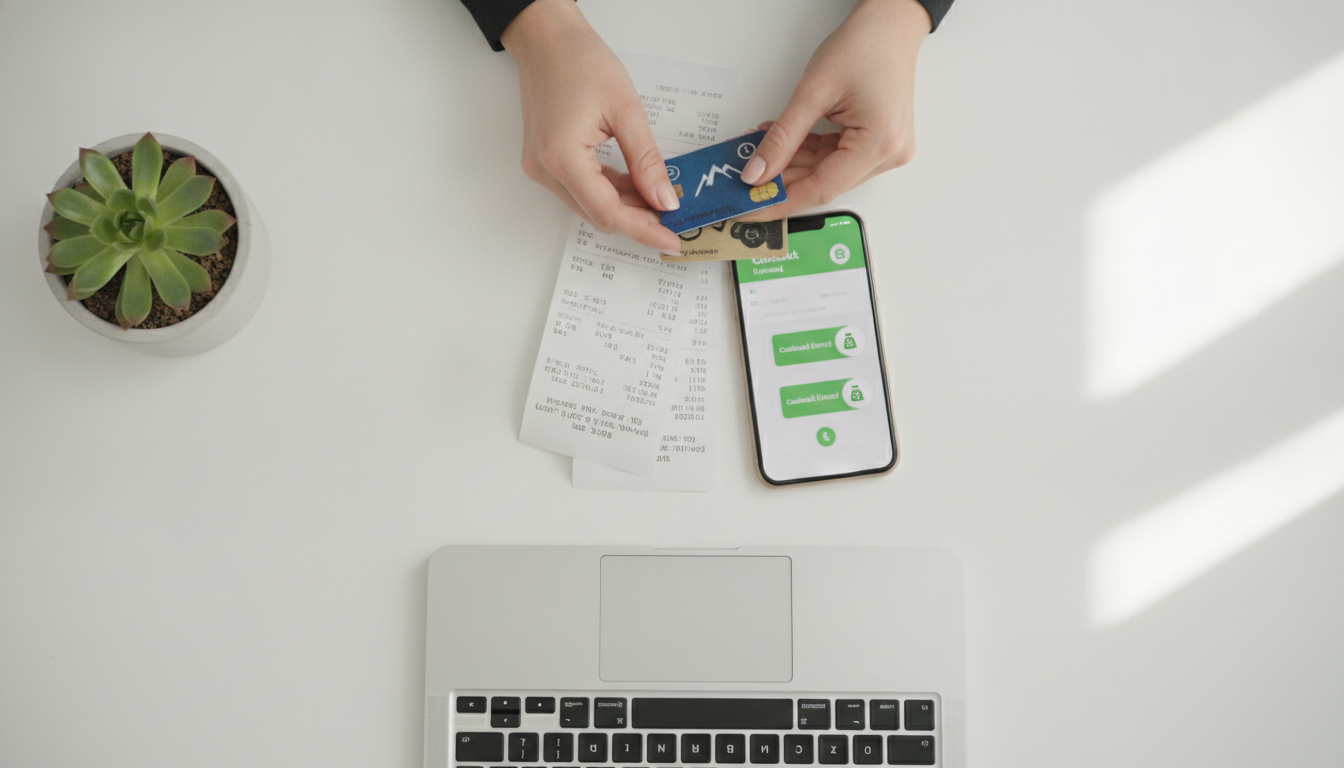
Not every cashback app lives up to its promises. In recent years I've run into three typical problems that can cost real money.
Problem one: apps with high payout thresholds. I tested an app that only pays out from CHF 50 in credit. At an average of CHF 3 cashback a month, I would have had to wait 17 months. The risk that the app would be discontinued by then or that I'd forget about it was too great for me. I stick with apps with a payout limit of at most CHF 20.
Problem two: hidden costs through detours. Some cashback platforms redirect through several intermediate pages, which deletes cookies and prevents the cashback. With iGraal and Profital this rarely happens because the tracking mechanisms work reliably. With smaller apps I've already lost cashback three times due to technical problems.
Problem three: buying only because of cashback. That's the biggest trap. If I buy something only because 10% cashback is tempting, I'm not saving, I'm spending. I stick strictly to my shopping list and treat cashback as a bonus, never as a reason to buy. I worked hard to build this discipline, and it protects me from impulse purchases. If you want to learn more about mindful consumption, you'll find practical approaches in my article on exposing spending traps.
How much cashback is realistic?
The numbers I mentioned above are based on my actual spending behavior. I spend about CHF 650 a month on groceries, CHF 150 on fuel and around CHF 200 on online shopping. That adds up to the CHF 380 to 520 in cashback per year.
For a family of four with higher spending, CHF 800 to 1,000 a year is quite possible. A single-person household with lower spending realistically gets CHF 150 to 250. The cashback rate averages between 1.5% and 3% of eligible spending. Important: not all purchases are cashback-eligible. Rent, health insurance and taxes bring nothing back.
According to a survey by Moneyland.ch, active cashback users in Switzerland used an average of 2.4 apps simultaneously in 2025 and got back an average of CHF 312 a year. My strategy with three focused apps is slightly above that because I consistently record and combine every purchase.
Cashback and taxes: what you need to know
A question I'm often asked: do I have to pay tax on cashback? The answer is a clear yes and no. In Switzerland, cashback counts as a price reduction, not as income. If I spend CHF 100 and get CHF 3 in cashback, I've effectively paid CHF 97. That's tax-free.
It looks different if I receive cashback without shopping myself, for example through advertising rewards or refer-a-friend programs. In theory, this income can be taxable if it occurs regularly and in a relevant amount. In practice, the tax office doesn't care about amounts under CHF 1,000 a year. I still keep an Excel list documenting my cashback income, because transparency creates security.
My three top tips for maximum cashback

After three years of intensive use, I've developed three strategies that make the difference between CHF 200 and 500 a year.
- Combine cashback with existing loyalty programs: Coop Supercard plus Profital, Migros Cumulus plus bonus promotions. Never play one against the other.
- Set reminders for big purchases: before I order anything over CHF 100 online, I check iGraal and other platforms. For large amounts, comparing which app offers the best rate is worth it.
- Use seasonal cashback boosts: many apps offer increased rates around Black Friday, Christmas or back-to-school. I deliberately schedule larger purchases into these periods when I need them anyway.
These three measures have increased my cashback yield by about 35% without my investing more time or shopping differently. It's about smart timing and combination, not extra effort.
Cashback as part of a bigger saving method
Cashback apps are no miracle cure, but a valuable building block in my financial strategy. The CHF 400 to 500 I get back every year flows straight into my savings account. That's not much, but it's money I would have given away without cashback.
I see cashback as a passive income source, similar to dividends from stocks, only without having to put up capital. The money doesn't work for me, but my everyday spending generates a measurable return. Combined with other saving methods, such as the 50/30/20 rule, it creates a system that lastingly relieves my budget.
If you want to optimize your spending fundamentally, you'll find further approaches in my article on minimalism and saving money. Cashback is a tactic, cutting expenses is a strategy, and together they multiply the effect.
Frequently asked questions about cashback apps
Which cashback apps work best in Switzerland?
The three most reliable cashback apps for Switzerland are Profital for supermarket shopping, Swissbonus for fuel and partner shops, and iGraal for online shopping. These three apps cover most everyday spending and offer reliable payouts in Swiss francs. I've used them daily for over two years and have never had problems with crediting or payout.
How much money can I realistically get back with cashback apps?
With average everyday spending, you can expect CHF 150 to 350 a year as an individual. Families with higher spending get CHF 500 to 1,000 a year. The actual amount depends on how consistently you use the apps and how high your cashback-eligible spending is. Rent, health insurance and taxes earn no cashback.
Do I have to change how I shop to benefit from cashback?
No, and that's important. Cashback works best when you see it as a bonus on your normal purchases. Don't buy anything extra just because of cashback; that's not a saving but an expense. Integrate the apps into your existing routine: scan the receipt after shopping, activate the browser extension for online shopping, show your bonus card when filling up. In total that takes less than five minutes a week.
Are cashback apps safe and legitimate?
The established apps like Profital, Swissbonus and iGraal are legitimate and work with well-known Swiss retailers. They earn their money through commissions from retailers, not by selling your data. Make sure to install only apps from trustworthy providers that are transparent about privacy. I only use apps that operate under Swiss or EU data protection law and can demonstrate a payout history.
Can I combine cashback with other discounts and loyalty programs?
Yes, and that's exactly where the biggest savings potential lies. You can combine cashback with Supercard points, Cumulus discounts or promotional prices. For example, I use Coop Supercard discounts and then scan the receipt in Profital, so both benefits are kept. This double strategy increases savings significantly and is completely legal. Only in a few promotions do retailers explicitly exclude cashback, but that is clearly stated in the terms.
Conclusion: small effort, noticeable effect
Cashback apps are no turbo-boost to wealth, but a reliable savings helper in everyday life. With three focused apps, consistent use and the right strategy, I get back between CHF 380 and 520 a year, money I would otherwise have given away. The effort is a few minutes a week, and the benefit is measurable and lasting.
If you're starting now, download Profital, Swissbonus and iGraal and scan the receipt on your next shop. After three months you'll see how the balance builds up. After a year you'll wonder why you didn't start sooner. I started this journey in 2023 and don't regret a second of it, because every franc I get back is a small victory against Swiss high prices.